


Victims of climate change are finding new ways to make polluters pay

From Filipino citizens to a new UN body, the largest polluters are being challenged in ground-breaking ways.
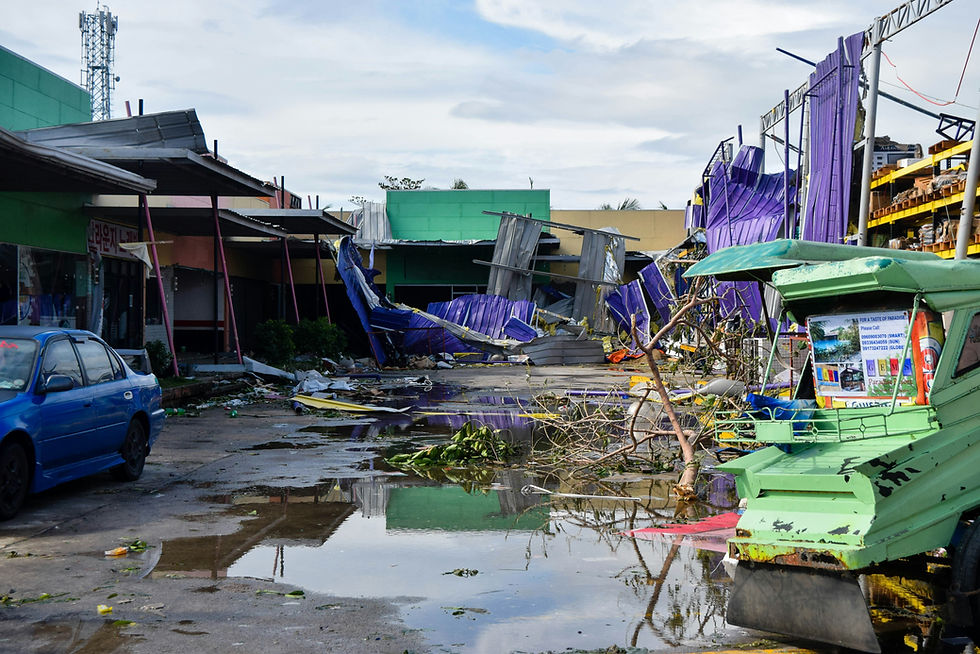
The shape of climate justice is changing across the globe. Citizens and national governments in countries faced by the damage of climate change are pushing back at corporations that contribute the most. These developments are becoming more common as it is now easier to measure how much man-made climate change has contributed to the likelihood of specific natural disasters, and thus who could be the most responsible for it. This inequality is undeniably stark: 80% of global emissions can be traced back to just 57 companies. This inequality has persisted for decades, driven by vested interests that put profit over people. Yet victims of climate change are not idle; they are finding innovative ways to hold those who are most responsible accountable.
One such example is the UN Framework Convention on International Tax Cooperation (UNFCITC), where this week negotiations will continue for how this global body should be developed. The UNFCITC is set to bring the first international and legally binding treaty on cross-border taxation. The convention introduces a plethora of new policy tools to address economic inequality and tax evasion. Despite slow progress so far, the final draft will be presented at the UN General Assembly in 2027.
It was originally put forward by the 54-member-strong African Union, which would give the body the authority to analyse and decide on international tax rules. Yet handing this revolutionary power to a (relatively) accessible and equitable forum such as the UN has ruffled feathers within richer countries and is shaking the paradigm of global tax decisions usually held by the OECD. Beyond this, the United States has decided not to participate in the process.
Digging deeper into the wide mandate it could hold, the UNFCITC could pressure the biggest polluters to pay their fair share. Not only could surtaxes on the profits of multinational corporations be reinvested in sustainable development, but further taxes on pollution could bolster this revenue. The benefits of this power are not yet clear during these early stages of development. However, Oxfam’s analysis shows that a tax on the return of assets held by fossil fuel corporations could raise up to 400 USD billion. This revenue would then “fund climate action such as emissions reduction, adaptation costs and recovery from loss and damage, along with universal public services to reduce inequality”, perhaps through the UN’s own sustainable development programmes.
This spells good news for the Global South, which has historically fallen victim to climate inequalities. Despite being the least responsible for global emissions, and the least capable of moving towards a greener economy, this region is facing the brunt of climate consequences. This is paired with a lack of progress by richer nations in curbing their own Greenhouse Gas Emissions and the watering down of international climate deals. Nowhere is this better exemplified than in the recent COP30 deal, which failed to mention “fossil fuels”, despite support from around 80 countries. While developments at the UN are more than welcome, this slow progress in global justice has led frustrated citizens from the Global South to take matters into their own hands.
One key case is the victims of Typhoon Odette. The damage of Odette was widespread, destroying around 1.4 million homes in its wake and killing over 400 people. 103 Filipinos are now demanding reparations from Shell through legal action, consistent with the “polluters pay” principle. Their claim follows from the Philippines Commission on Human Rights (2022), which found that 47 major fossil fuel countries (including Shell) “through their products and their operations… have contributed to the global climate crisis at a scale that is quantifiable and significant, both globally and historically”.
Led by Greenpeace, this is the first case of its kind. If successful, it could redefine the way that international law deals with the consequences of climate change and place a target on the backs of those responsible. Only time will tell if the campaign is successful against such a powerful player on the global stage.
As the consequences of climate change become increasingly clear, new tools are emerging to hold those who have avoided repercussions for far too long. With developments in climate litigation and new international mechanisms that could revolutionise the taxation of global emissions, the world’s major polluters are facing testing challenges. Progress is long overdue, but one question remains: will they be successful in making polluters pay?


Comments